Most people buy a ceiling fan the way they buy a lamp: pick one that looks good, carry it home and expect it to go up in an afternoon. The fan is the easy part. What it hangs from is the part that matters.
Ceiling fan installation is a small job, but it has two details that decide whether the fan stays quiet and safe for years: the box in the ceiling and the wiring to the wall.
Why the Fan Box Matters
A fan turns all day, and it pulls and shakes the box every time it does. A standard light fixture box is not built for that.
NEC 314.27(C) says a box that is the only support for a ceiling fan must be listed for that use. Fan-rated boxes are marked that way and are mounted to the framing or to a brace between the joists.
If your ceiling has a plain light box, we swap it for a fan-rated one. If a fan is already up, a wobble or a hum can be a sign the box has worked loose.
Replacing a Light With a Fan
This is the most common job in St. Augustine homes. The wiring for a light is already in the ceiling, so the new fan often takes the same spot.
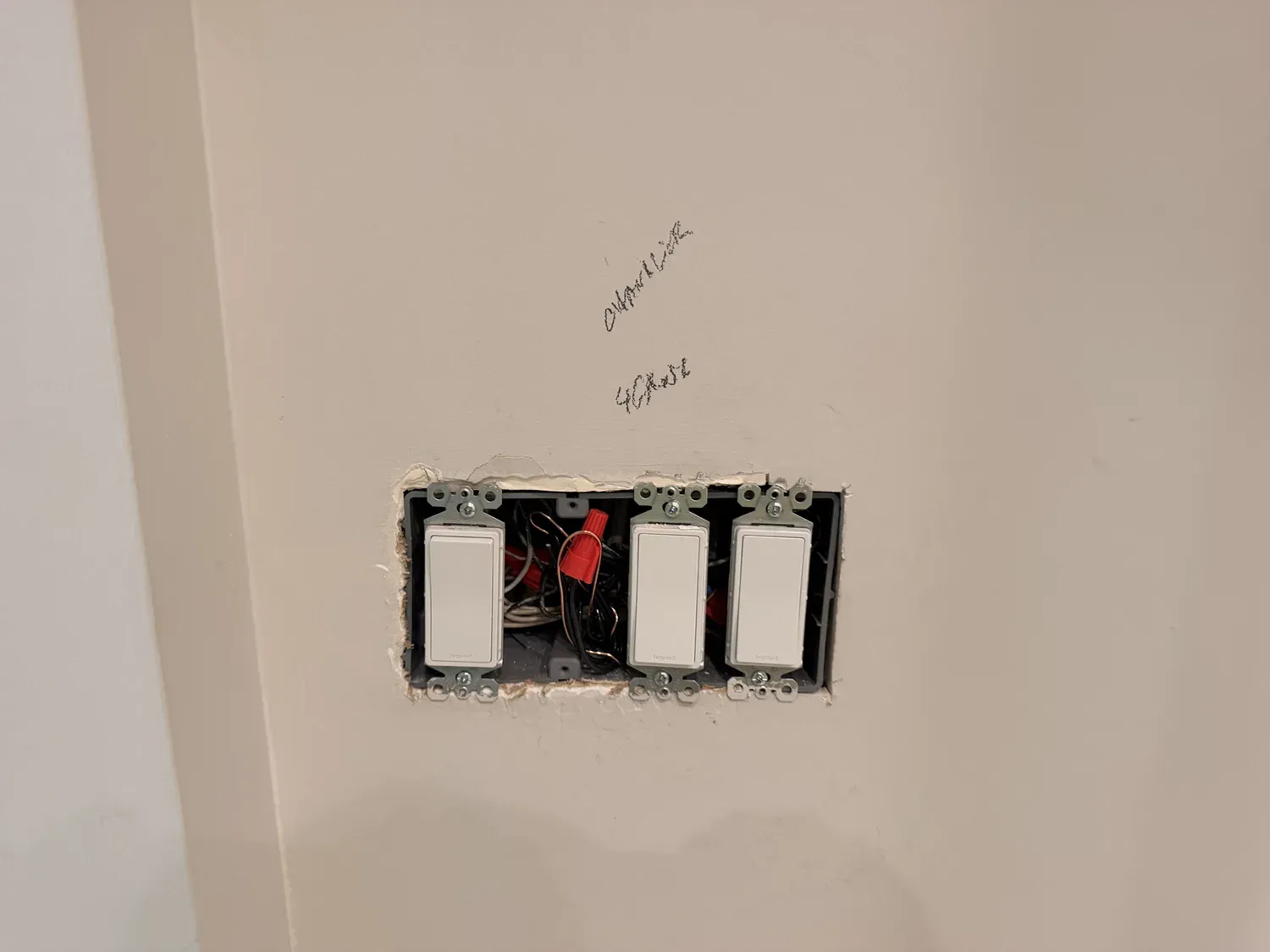
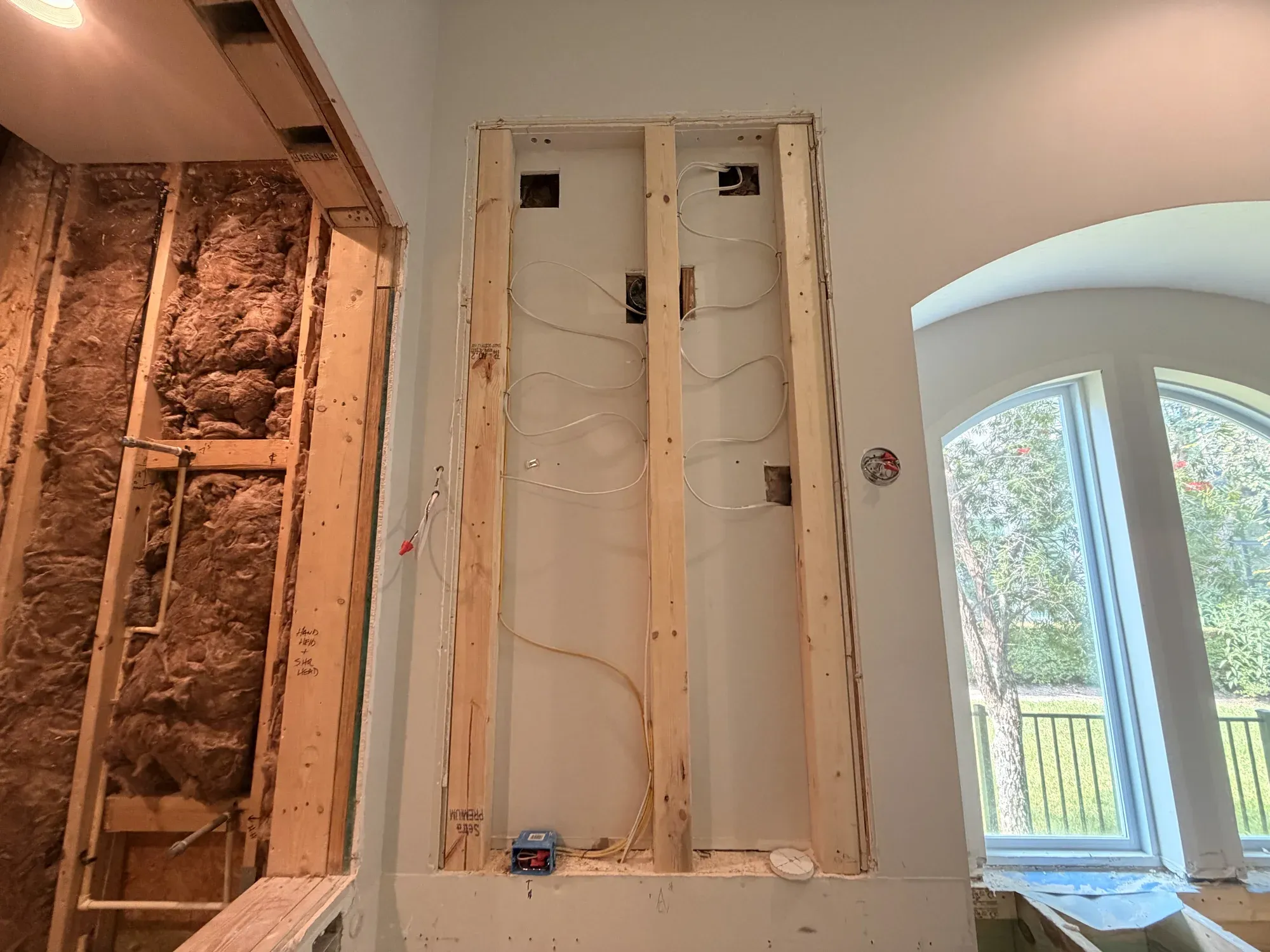
What changes is the control. A light has one switch. A fan with a light has two things to run, and that usually takes an extra conductor from the wall box to the ceiling. If the wall has only the one cable, we can add a second run or use a fan control that works over the existing wire.
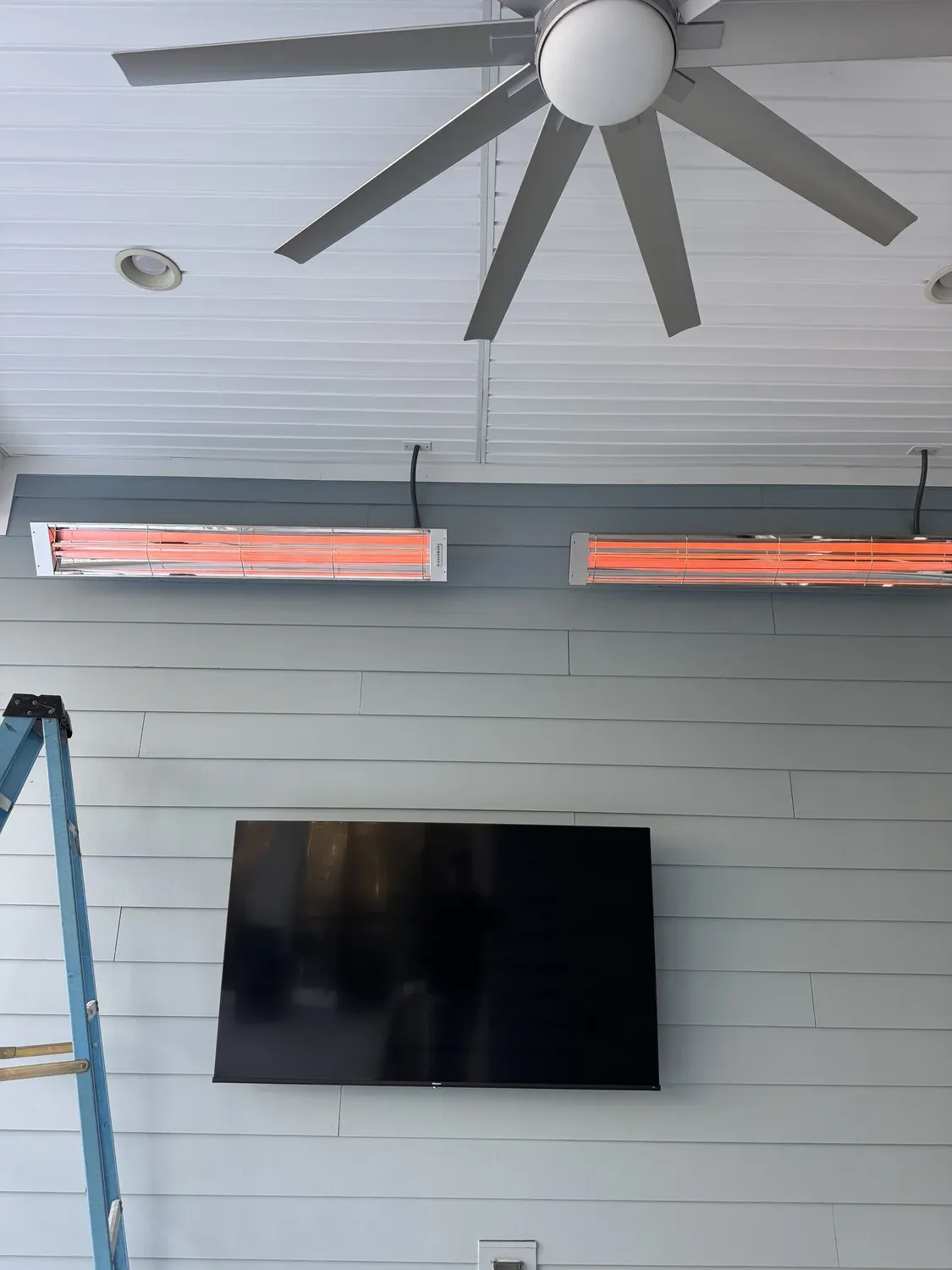
Fans for Porches, Lanais and Covered Patios
Outdoor fans are rated by how wet they can get. A damp-rated fan suits a covered porch or lanai that stays under a roof. A wet-rated fan can take rain blowing in from the side.
Salt air is the other issue. Homes near the beach on Anastasia Island, in Vilano Beach and along A1A wear out cheap fan finishes quickly. Check the rating on the box before you buy, and pick the wet rating if the fan sees weather.
Choosing a Fan That Fits the Room
Size and height are the two things people get wrong.
- Blade span. A large room needs a larger fan. A small fan in a big room moves very little air.
- Downrod. A tall or sloped ceiling needs a longer downrod so the blades sit at a useful height instead of up in the peak.
- Clearance. Blades should have room from walls and be high enough that no one can reach them.
- Efficiency. ENERGY STAR lists certified ceiling fans if you want to compare models.
What Good Ceiling Fan Installation Includes
We check the box and the wiring, mount the fan, balance the blades and test every speed and light. If the fan has a remote or a wall control, we set it up and show you how it works.
The same visit can cover other small jobs: a dimmer, a new switch or recessed lighting in the same room. Our residential electrical services page covers the full list.
Outdoor Lighting Goes Well With a Fan
If you are building out a porch, a fan and good lighting do the most. Our post on permanent holiday and accent lighting shows one way to light the outside of the house, and our residential electrical guide covers the rest of the house.
Jesse and the crew work in St. Augustine, Nocatee, Ponte Vedra Beach and Palm Valley, and a fan swap is a quick one. Ask for a free quote and mention the room.
Need help with this? See our residential electrical or call (904) 837-0310.