If you are buying an older home in St. Johns County, or switching insurance on one you own, there is a good chance the insurer will ask for a 4-point inspection. It covers four systems: the roof, the plumbing, the heating and air, and the electrical.
The electrical part is where many older homes run into trouble. This guide explains what the inspector looks at, which panels and wiring insurers often won’t accept, and what you can do before the inspection to avoid surprises.
What a 4-Point Inspection Is
A 4-point inspection is a short report insurers use to judge the condition and age of a home’s major systems. It is not a full home inspection. The inspector photographs and documents each system on a standard form, and the insurer decides whether to write the policy, ask for repairs first, or decline.
When it is required depends on the insurer and the age of the home. Many Florida carriers ask for one on older homes when a new policy is written. Your agent can tell you whether your insurer needs one and how recent it must be.
What the Inspector Looks At in the Electrical System
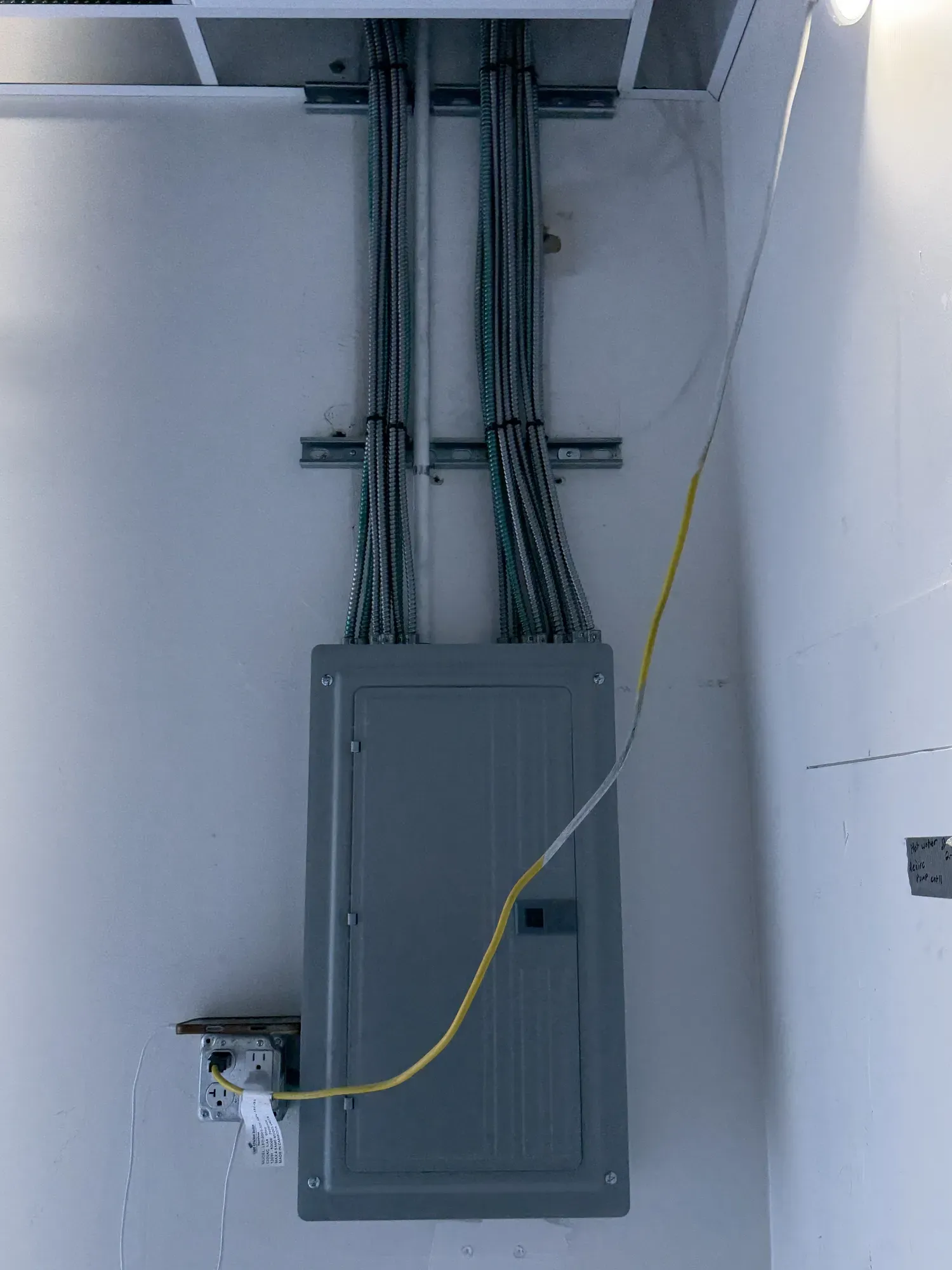
The electrical section focuses on the main panel and the wiring. The inspector typically notes:
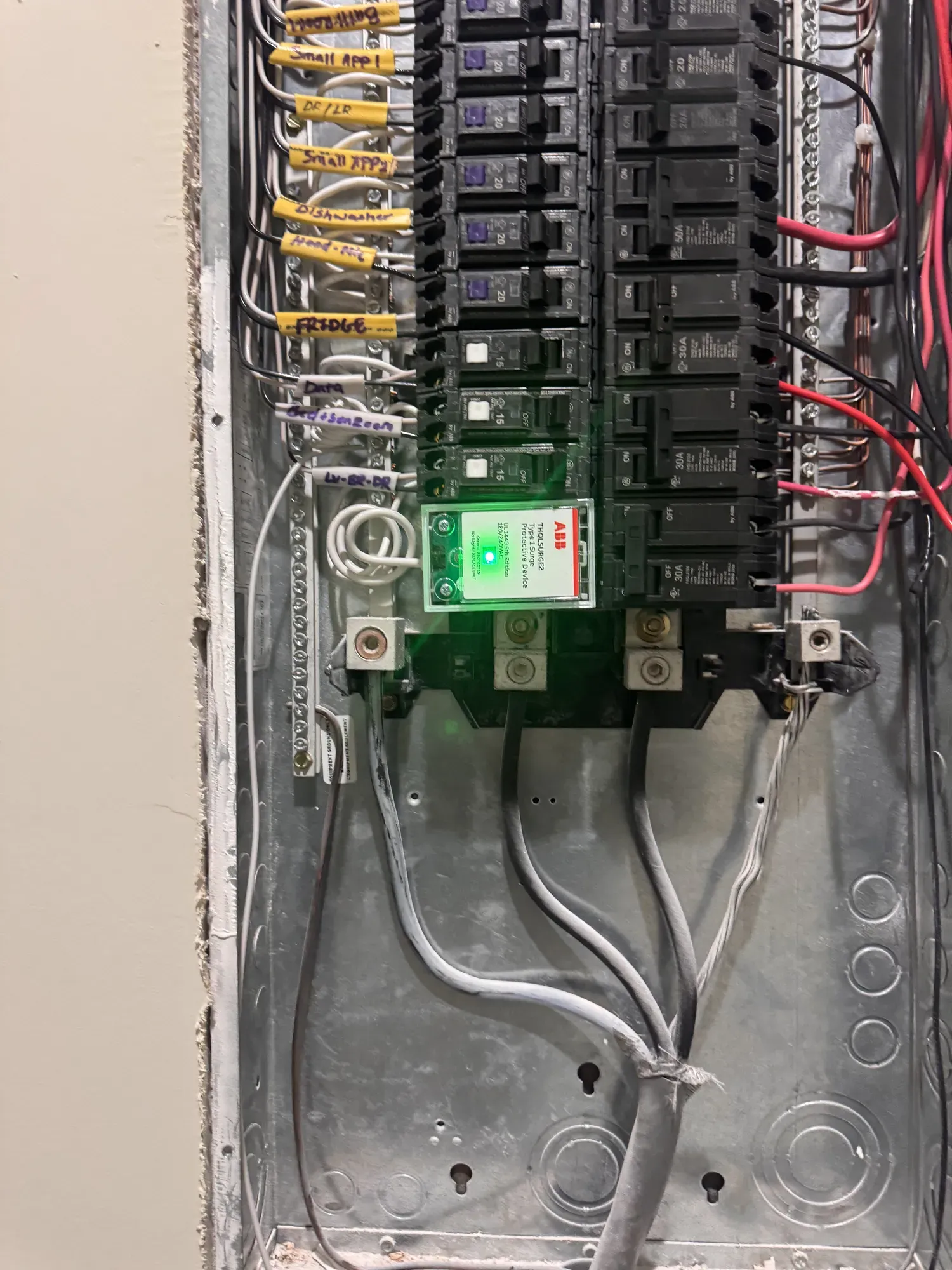
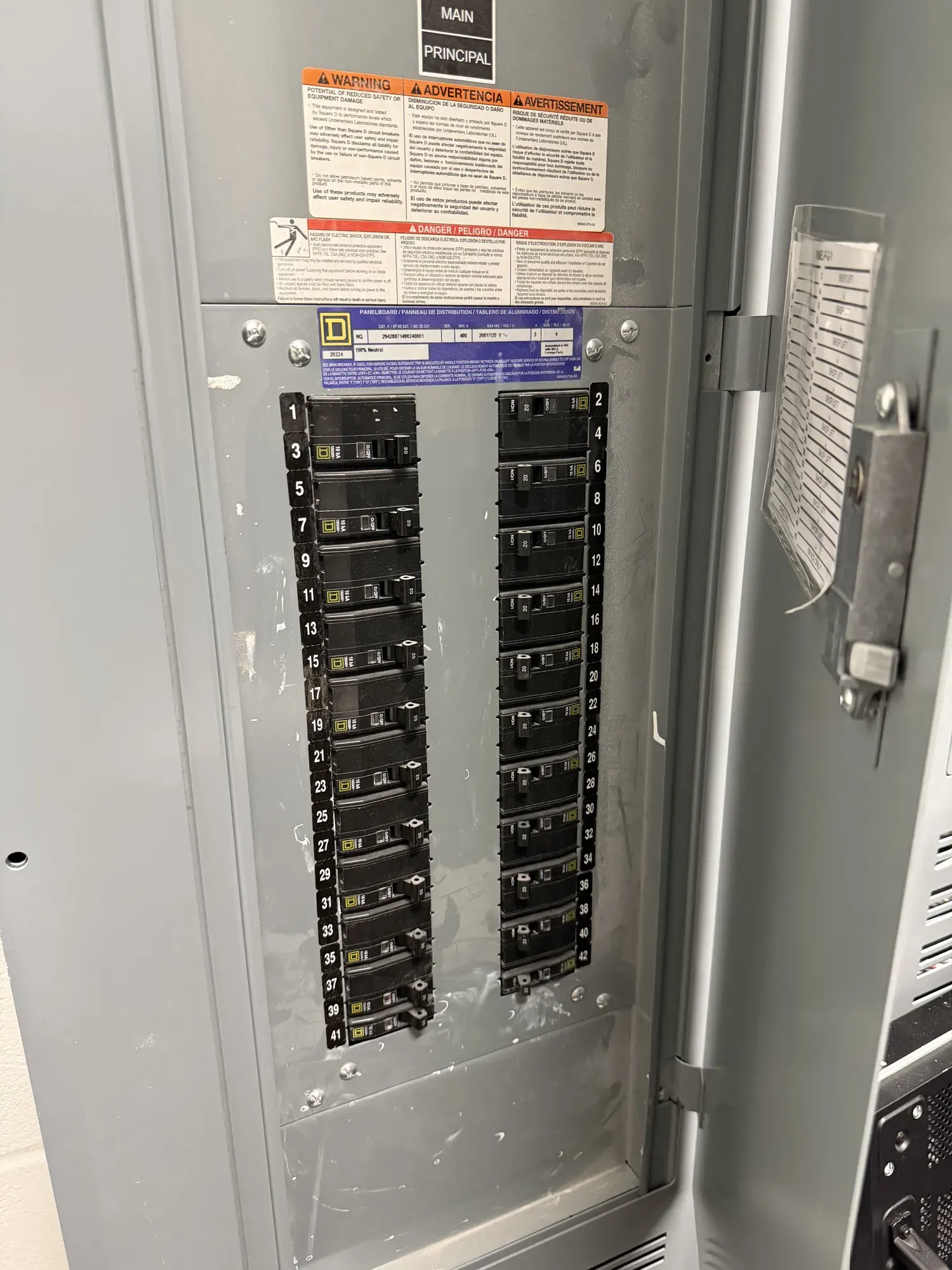
- The panel brand, age and amperage. They photograph the panel with the cover off and the label readable.
- The type of wiring. Copper, aluminum branch wiring, cloth-covered wiring or knob and tube.
- Visible hazards. Double-tapped breakers, missing knockouts, exposed wiring, scorch marks, corrosion or signs of overheating.
- Overall condition. Whether the system looks maintained or patched over the years.
A clean, clearly labeled breaker panel with copper wiring and no signs of heat usually gets through this section without trouble.
Panels and Wiring Insurers Often Won’t Accept
Some equipment comes up again and again on 4-point reports. Many insurers decline or ask for replacement when they see:
- Federal Pacific panels with Stab-Lok breakers.
- Zinsco panels, including Zinsco-Sylvania.
- Fuse boxes in place of a breaker panel.
- Single-strand aluminum branch wiring, common in some homes built in the 1960s and 1970s.
- Knob and tube wiring, found in some of the oldest homes in the St. Augustine historic district.
Each insurer sets its own rules, so the same panel can be fine with one carrier and refused by another. If your report flags one of these, ask your agent exactly what the insurer needs before any work starts.
Fixing the Problem Before the Inspection
If you know your home has one of these panels, it is easier to deal with it before the inspection than after a declined policy. A panel upgrade replaces the old equipment and often adds the capacity a modern home needs at the same time.
We pull the permit and schedule the county or city inspection, so the new work is on record. Newer editions of the National Electrical Code also call for surge protection when a home’s main panel is replaced, so plan on a whole house surge protector being part of the job.
Aluminum branch wiring and knob and tube take more work, because the wiring runs through the walls. We look at what is there and explain the options, from repairing connections to rewiring the affected circuits.
Buying an Older Home in St. Augustine
Historic district homes, older houses on Davis Shores and many homes on Anastasia Island have had decades of electrical changes. Some were updated well. Others have a mix of old and new wiring behind the walls.
If you are under contract, ask for the 4-point early so there is time to get quotes for anything it flags. Our guide for new homeowners covers what else is worth checking in your first months in the house.
We are electricians, not insurance agents, so your insurer has the final say on what it accepts. We can tell you what is in your panel, what is likely to be flagged, and what it takes to bring it up to date. Ask for a free quote and we will take a look.
Need help with this? See our electrical panel upgrades or call (904) 837-0310.